As the aerospace industry continues to push the boundaries of performance, every component must meet the highest possible standards. A reliable aerospace CNC machining manufacturer plays a defining role in supplying parts that guarantee safety, efficiency, and durability. Modern aircraft, satellites, UAVs, and propulsion systems rely on stable machining processes, advanced engineering knowledge, and strict quality control. Choosing the right partner is no longer a simple procurement decision — it is an investment in long-term reliability and innovation.

What Defines a Top-Tier Aerospace CNC Machining Manufacturer
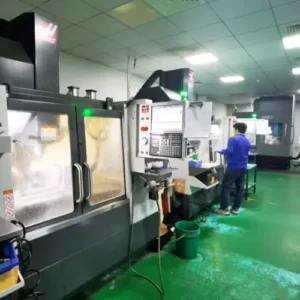
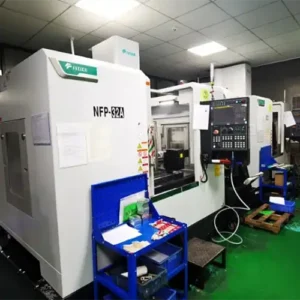
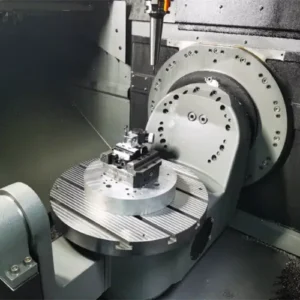
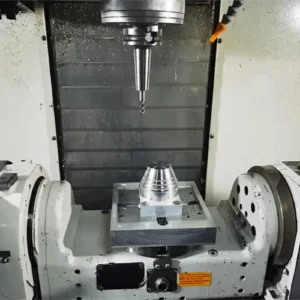
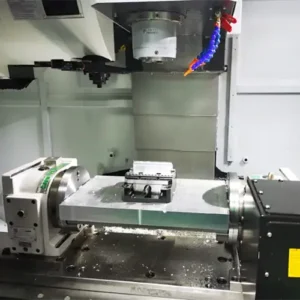
A leading aerospace CNC machining manufacturer must combine advanced technology with strict process discipline. The aerospace sector demands ultra-tight tolerances, flawless repeatability, and verified material traceability. CNC equipment used in aerospace machining typically includes 5-axis mills, multi-axis turning centers, and hybrid machining platforms capable of handling exotic alloys.
In addition, an experienced manufacturer focuses on producing aerospace CNC machining parts that meet global standards such as AS9100, ISO 9001, and NADCAP requirements. The combination of engineering capability and certified manufacturing is what ultimately defines excellence.
Materials Commonly Used for Aerospace CNC Machining Parts
Aerospace applications rely on materials that can withstand forces such as heat, vibration, pressure, friction, and fatigue. A professional manufacturer must be capable of machining:
- Titanium alloys for structural strength
- Aluminum for lightweight performance
- Stainless steel for reliability
- Inconel and superalloys for high-temperature environments
- Engineering plastics used in interior systems
These materials directly affect the performance of aerospace cnc components, making material compatibility a core requirement when selecting a machining partner.
High-Precision Aerospace Machining Techniques
Advanced techniques allow manufacturers to produce complex geometries required for propulsion systems, landing gears, airframes, and electronic housings. Common processes include:
- 5-axis CNC milling
- Multi-tasking turning
- Complex surface machining
- Micro-machining
- Automated deburring
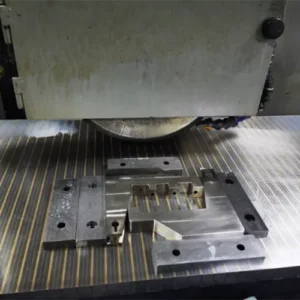
- Precision grinding
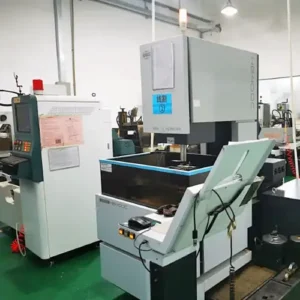
- EDM for intricate shapes
These techniques support the production of high-precision aerospace CNC machining parts with reliable stability and consistent accuracy.
Engineering Capabilities That Support Aerospace CNC Manufacturing
An effective aerospace CNC machining manufacturer does not only produce parts — it also offers engineering support. This often includes:
- DFM (Design for Manufacturability) analysis
- Material selection guidance
- Tolerance optimization
- Prototyping and rapid iteration
- Structural and thermal analysis
These capabilities ensure that complex aerospace cnc components can be produced efficiently without compromising safety or performance.

Quality Assurance for Aerospace CNC Machining Parts
Aerospace parts must pass rigorous testing before entering any aircraft or spacecraft environment. Quality assurance commonly includes:
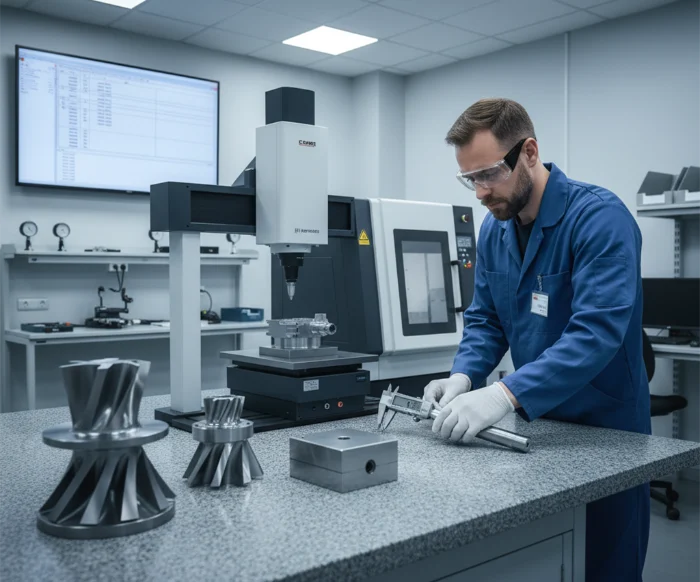
- 3D CMM inspection
- Full-dimension reports
- Surface roughness verification
- Material certification and traceability
- Non-destructive testing (NDT)
- Fatigue and stress analysis
These controls guarantee reliability throughout the component’s lifespan.
Digital Manufacturing and Automation in Aerospace CNC Machining
Modern aerospace machining is evolving toward automated, data-driven processes. Leading manufacturers use:
- Automated tool monitoring
- Real-time machining feedback
- Robotic loading systems
- Digital twins for optimization
- CAM simulation to prevent errors
Automation enhances repeatability and supports long-term stability, especially when producing high-tolerance aerospace cnc machining parts.
Applications of Aerospace CNC Components
The aerospace sector uses CNC-machined components across several categories, including:
- Jet engine components
- Turbine blades and housings
- Landing gear parts
- Flight-control components
- Navigation system housings
- Fuel system components
- Spacecraft structural parts
Each part must meet strict performance standards, reinforcing the importance of choosing a qualified aerospace CNC machining manufacturer.
Why Aerospace Companies Prefer Specialized Manufacturers
A specialized aerospace CNC machining manufacturer provides more than machining capacity. It offers complete safety compliance, process stability, and long-term reliability. Aerospace companies value:
- Proven experience with regulated industries
- Tolerance capability down to microns
- Clean manufacturing environments
- Full documentation and traceability
- Engineering support for complex structures
Partnerships with such manufacturers reduce risk and improve overall production efficiency.
Trends Shaping the Future of Aerospace CNC Machining
The aerospace industry continues to evolve rapidly. Three major trends define the future:
Lightweight and High-Strength Materials
Demand for weight reduction drives the need for new alloys and optimized machining strategies.
Integration of Additive Manufacturing with CNC
Hybrid machining provides faster production and greater design freedom.
Smart Machining and Data-Driven Optimization
AI-driven analytics will allow manufacturers to detect tool wear, predict material behavior, and reduce waste.
Choosing the Right Aerospace CNC Machining Manufacturer
When selecting a partner, consider:
- Certification level
- Material capability
- Machining precision
- Production capacity
- Engineering support
- Lead time and cost transparency
A reliable manufacturer strengthens your supply chain and ensures long-term quality.
FAQ of Aerospace CNC Machining Manufacturer
What does an aerospace CNC machining manufacturer specialize in?
They produce high-precision aerospace parts and components using certified machining processes, advanced materials, and strict quality standards.
Which materials are used for aerospace CNC machining parts?
Common materials include aluminum, titanium, stainless steel, Inconel, and engineering plastics depending on performance requirements.
Why are aerospace CNC components required to meet strict tolerances?
Because they operate under extreme temperature, pressure, and vibration conditions where dimensional accuracy directly affects safety and reliability.