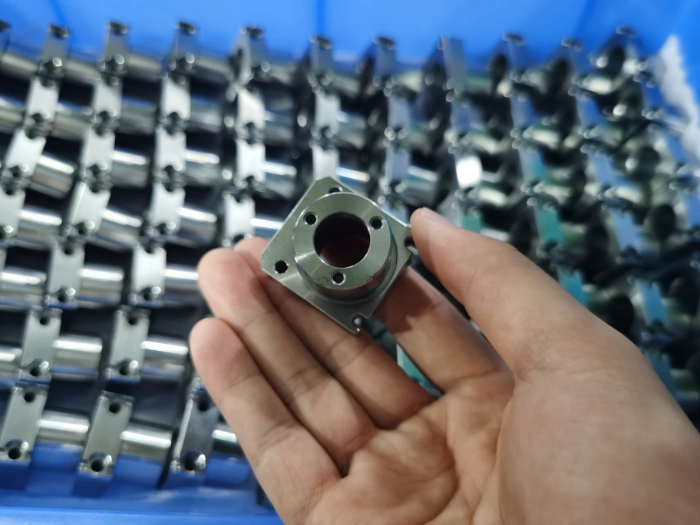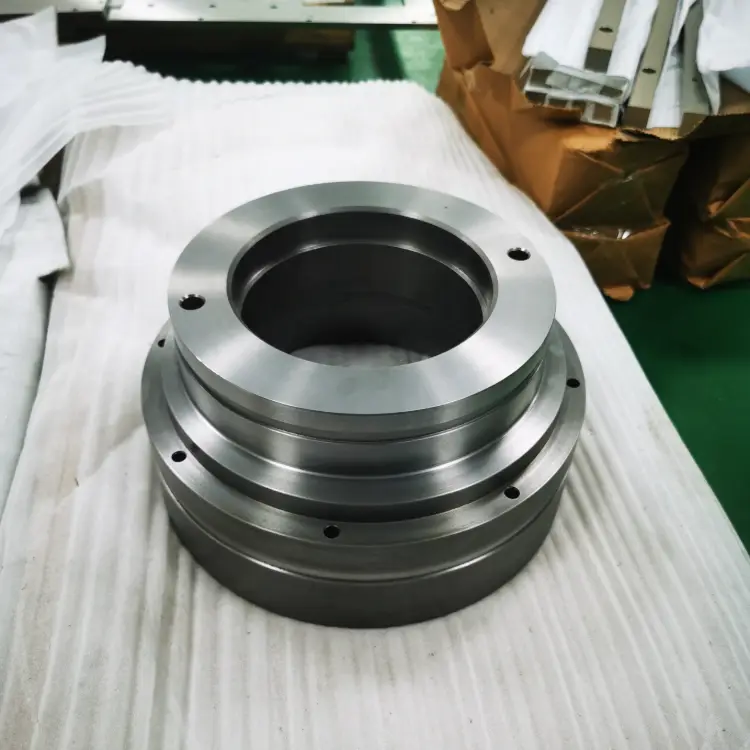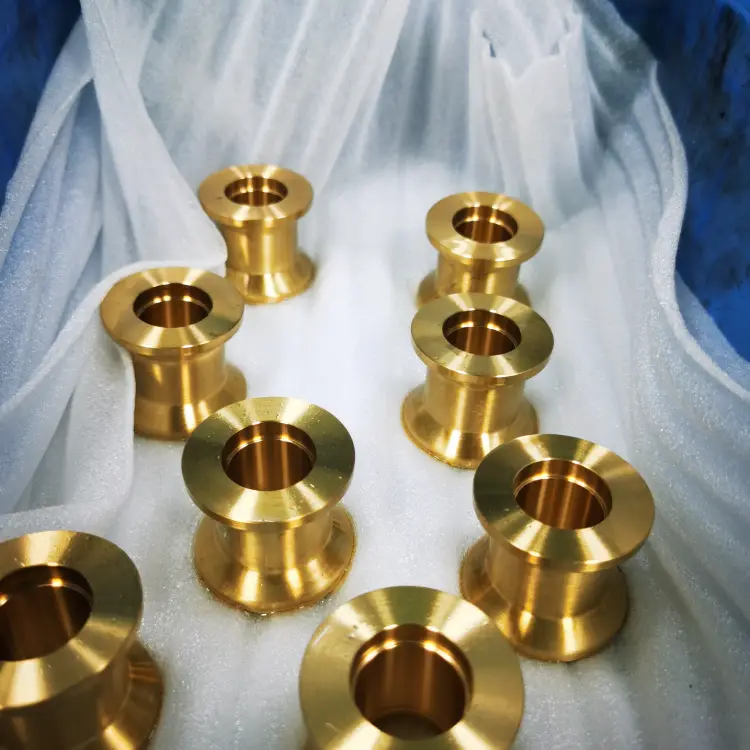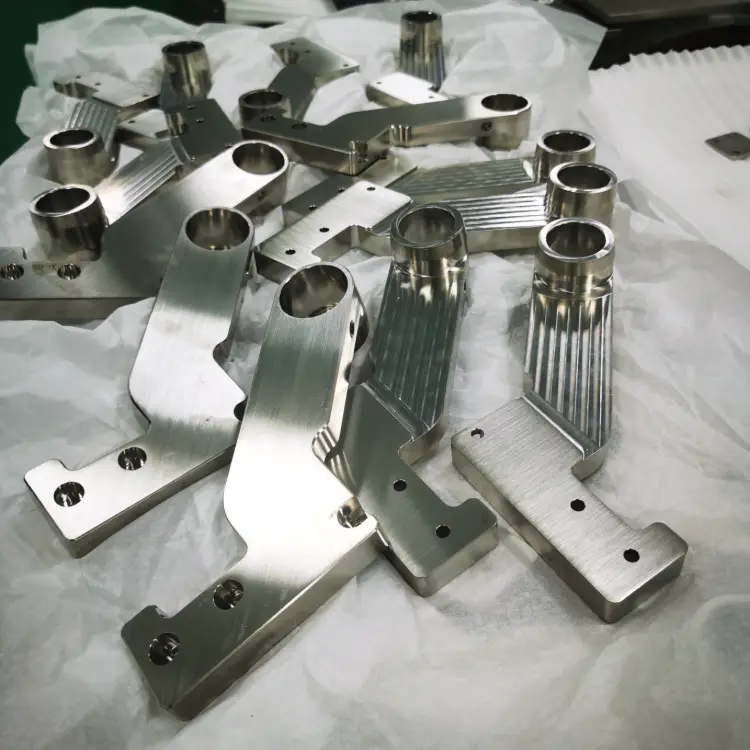
ISO 9001:2015 Certified CNC Manufacturer

Custom CNC Machining Services

Precision metal, plastic, ceramic and composite parts from prototype to repeat production. Upload your drawing for an engineering review, a practical manufacturing route and a clear quotation.

Established in 2012 3-, 4- and 5-axis capability Finishing and inspection support
Upload Files for a Quote  →
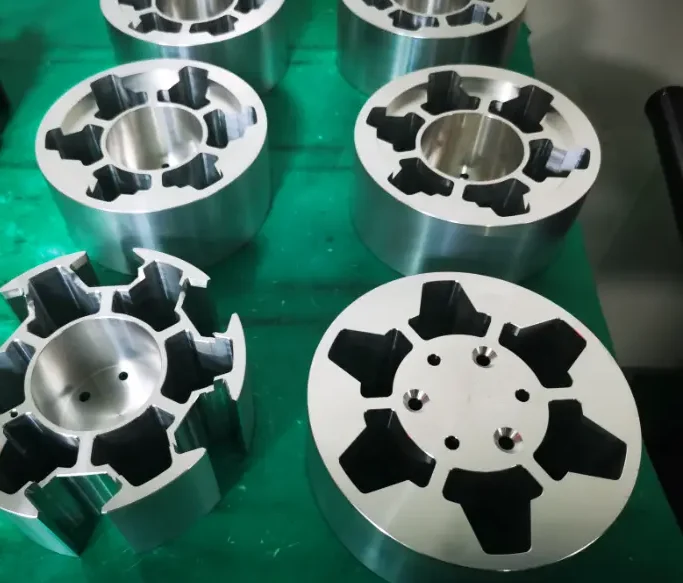
Custom CNC machined metal parts

Machining Capability

Drawing-Based CNC Machining Parameters

Final capability is confirmed from material, geometry, feature size, tolerance, finish and inspection method.

Standard Tolerance±0.05 mmUnless the drawing specifies a reviewed critical tolerance.
Selected Precision FeaturesDown to ±0.002 mmSubject to geometry, material, process and inspection review.
Minimum Wall Thickness0.5 / 1.0 mmTypical minimum for metals / plastics.
Maximum Milling Envelope3000 × 1600 × 1000 mmMaximum machine travel; usable size depends on fixturing.
Turning CapacityUp to Ø200 × 1000 mmDiameter and length are confirmed against part geometry.
As-Machined RoughnessRa 0.8–3.2 µmTypical range; finer surfaces require a reviewed finishing route.

Machining Processes

CNC Milling, Turning and Supporting Processes

Select the process by part geometry, tolerance, material and production volume. Supporting operations can be managed within one approved production route.
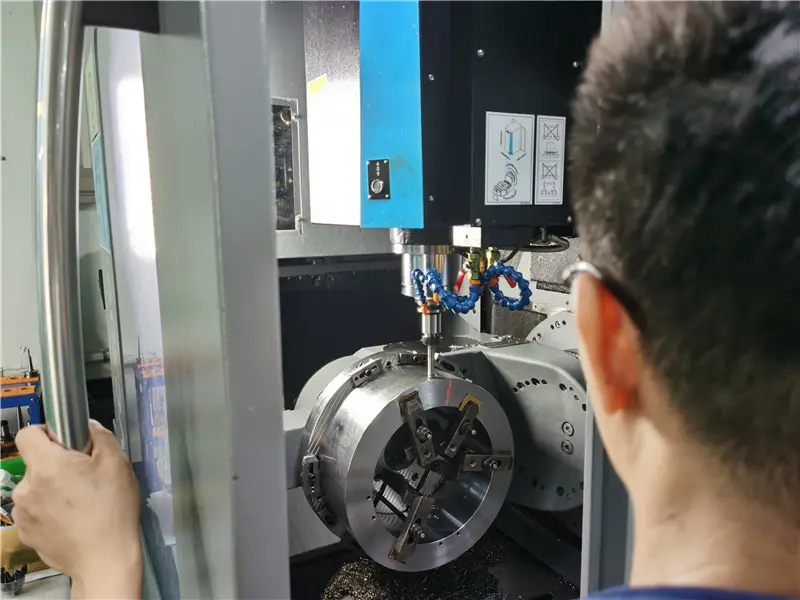
CNC milling machining centers

CNC Milling

3-, 4- and 5-axis machining for prismatic parts, housings, pockets and complex contours.
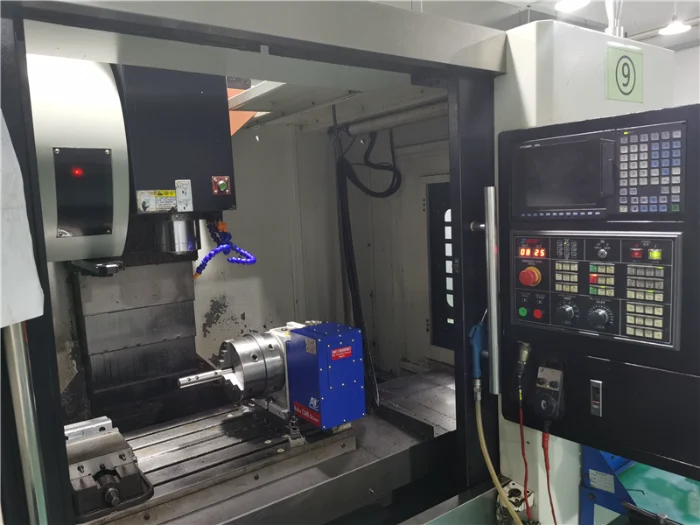
CNC turned center

CNC Turning

Controlled diameters, bores, threads and grooves for shafts, bushings and other round parts.
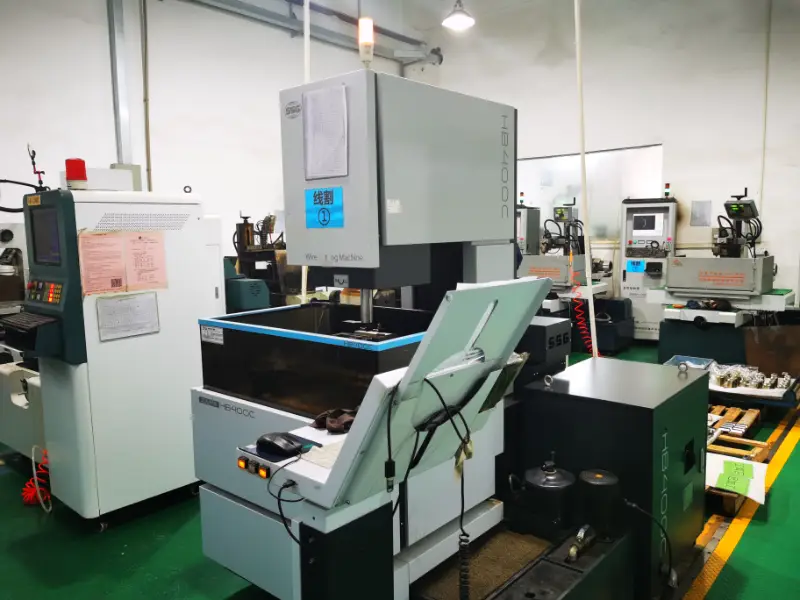
Wire EDM

Low-force cutting for hardened conductive materials, narrow slots and controlled profiles.
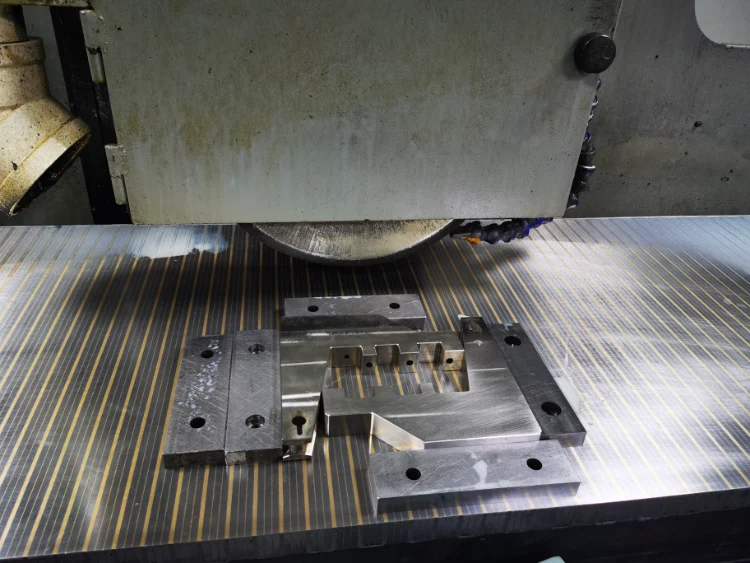
CNC precision grinding equipment

Grinding

Finishing for controlled dimensions, flatness, roundness and improved surface quality.

Material Selection

Metals and Engineering Plastics

Choose material by load, temperature, corrosion, friction, electrical and dimensional requirements. Material certificates can be supplied when requested.

Surface Finishing

Finishes for Functional and Cosmetic Parts

Select a finish for corrosion resistance, wear, texture, color, conductivity or assembly performance.
Explore More Surface Finishes  →
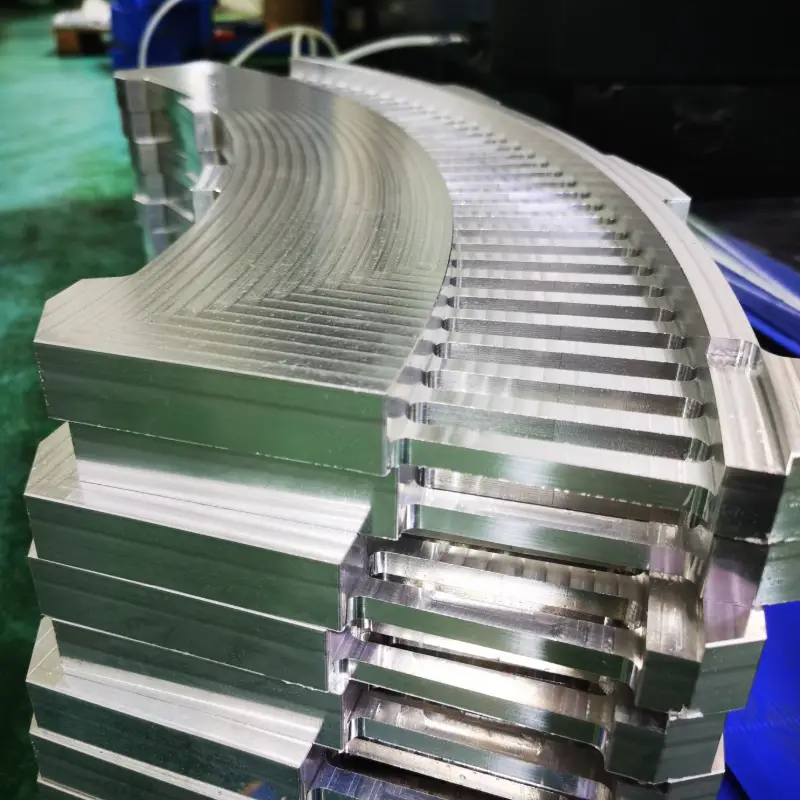
As-machined aluminum finish

Machined Finish

Functional surface with controlled tool marks.
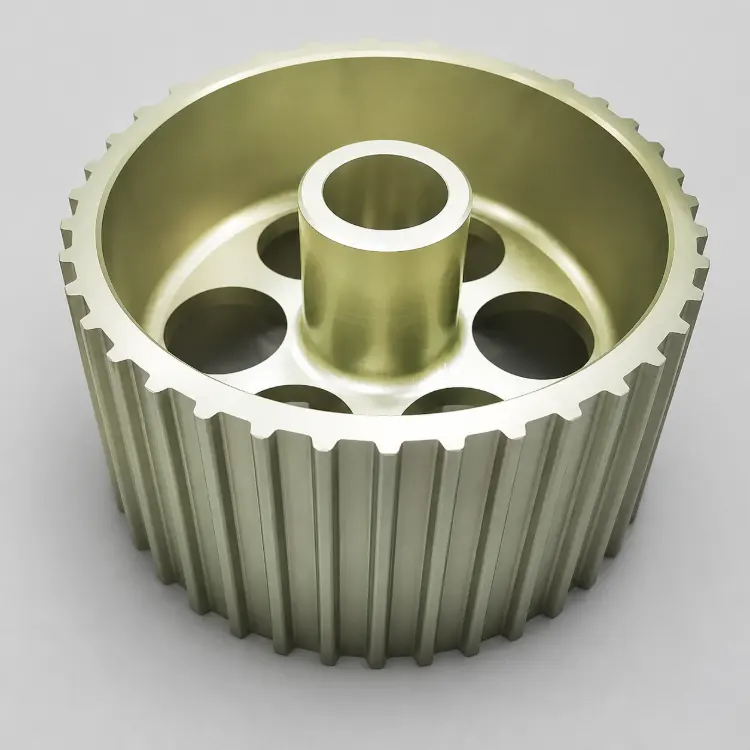
Anodized CNC machined aluminum pulley

Anodizing

Protective oxide finish for aluminum parts.
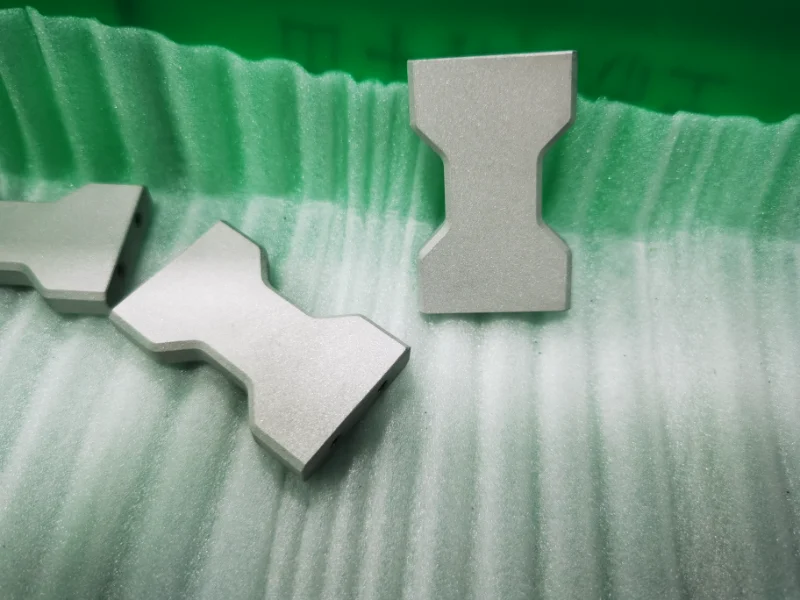
Sandblasted CNC machined part

Sandblasting

Uniform matte texture that reduces visible tool marks.
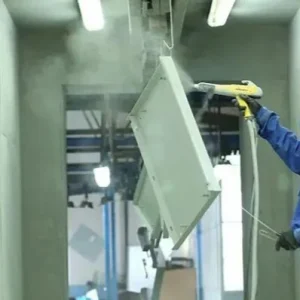
Powder coated machined metal part

Powder Coating

Durable colored coating for metal components.

Heat treatment, passivation, plating, laser marking and assembly can be coordinated within the same production route.

Production and Inspection

From Drawing Review to Final Inspection

Critical requirements are identified before machining and verified under the approved inspection plan before shipment.
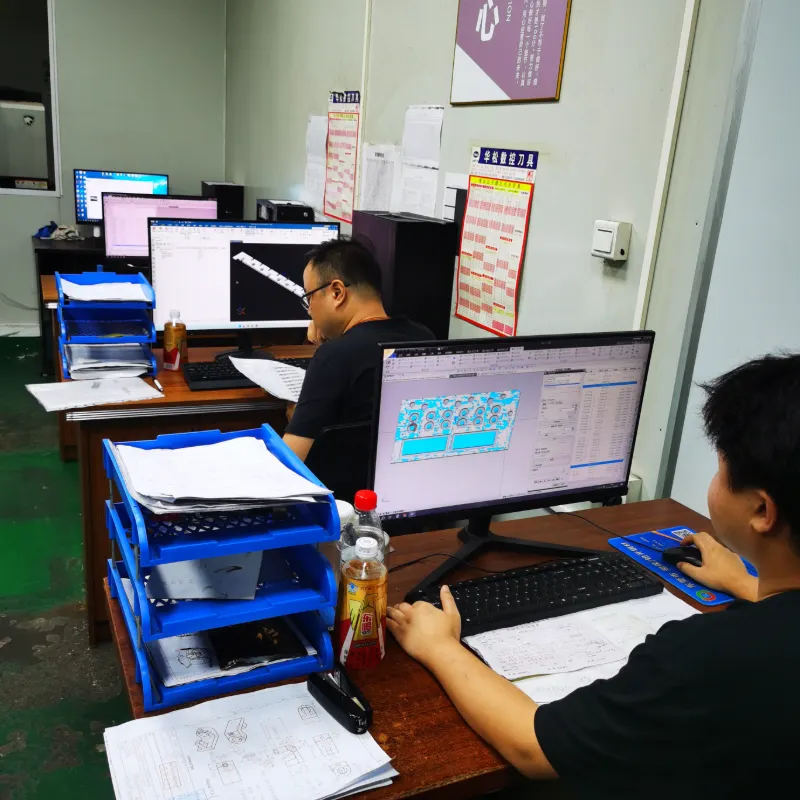
CNC programming and drawing review
01

Drawing Review

Material, datum, tolerance, finish and inspection requirements are confirmed.
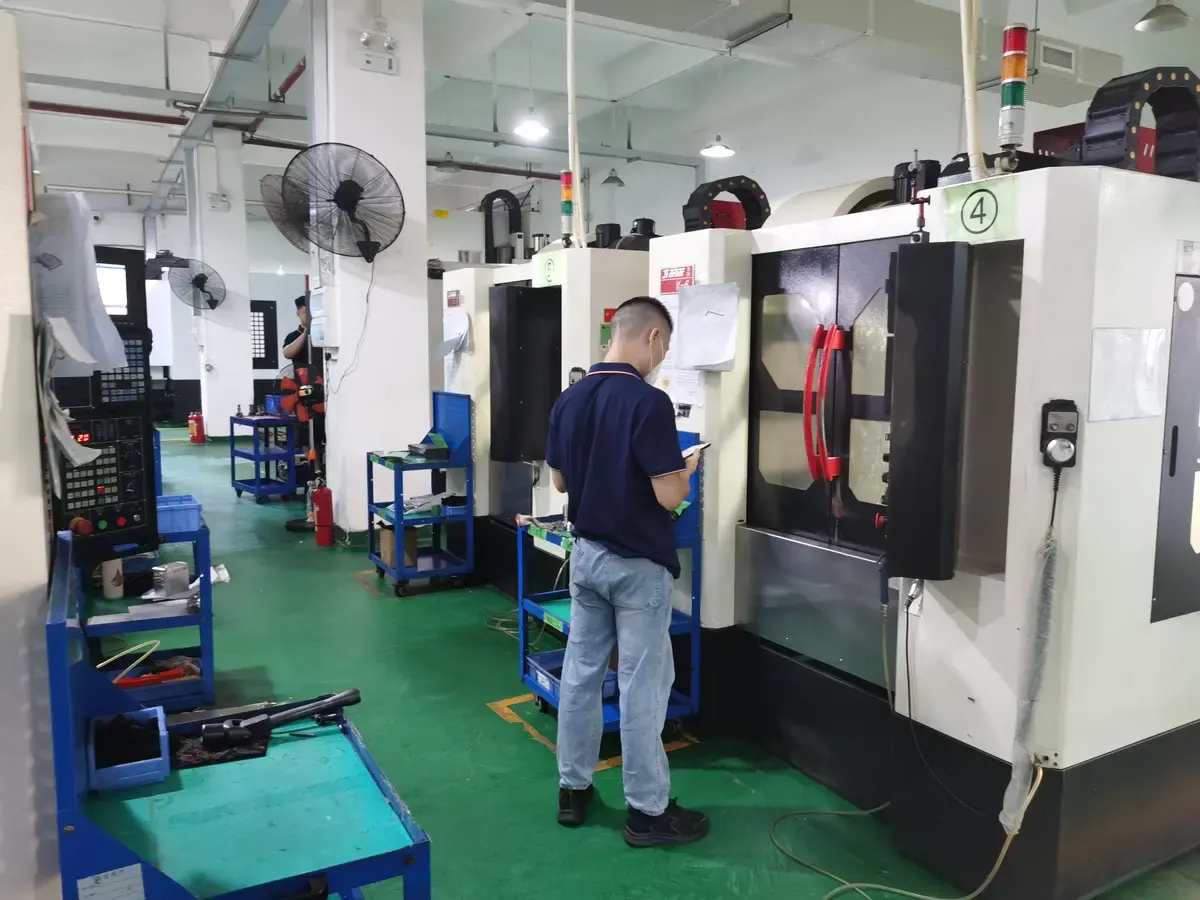
CNC machining process control
02

Process Control

Programming, tooling, fixturing and machining follow the approved route.
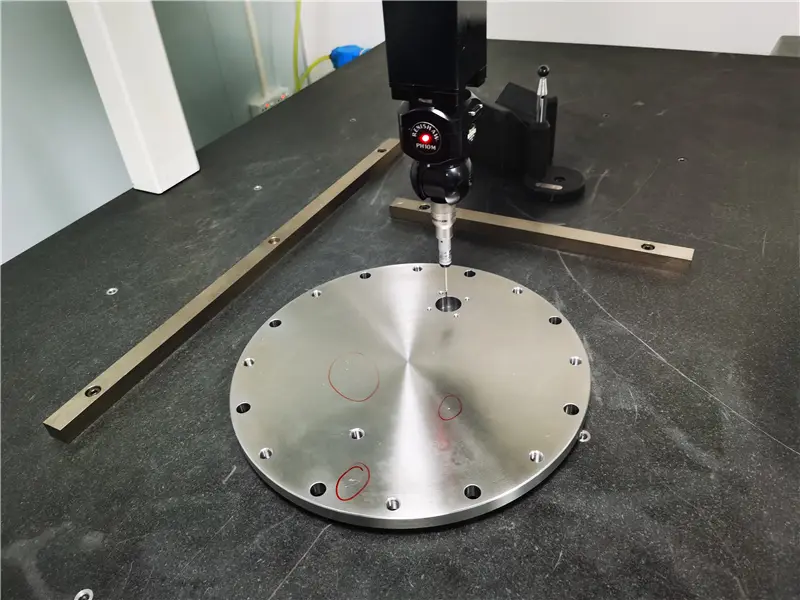
CMM dimensional inspection of machined part
03

Dimensional Check

Critical features are verified with suitable calibrated inspection equipment.

package for custom part
04

Final Release

Approved parts are cleaned, protected, labeled and packed for shipment.

PrototypeDesign validation and functional testing.
Low-Volume ProductionControlled batches for launch and field use.
Repeat ProductionApproved drawings and stable process routes.

Machined Part Projects

Custom CNC Machined Parts

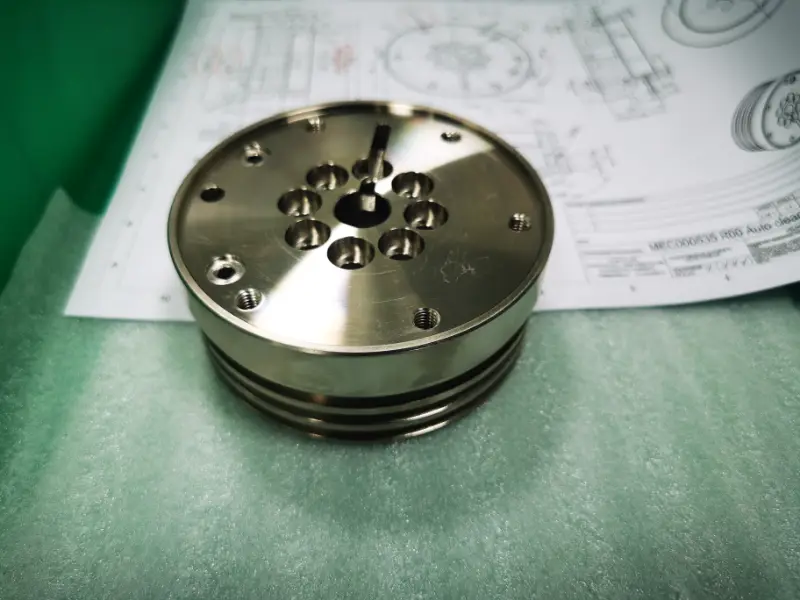
Examples across aluminum, steel, titanium, copper alloys and engineering plastics.

CNC machined aluminum component
cast iron bushing
CNC machined brass component
CNC machined 1018 steel component
CNC machined carbon steel parts
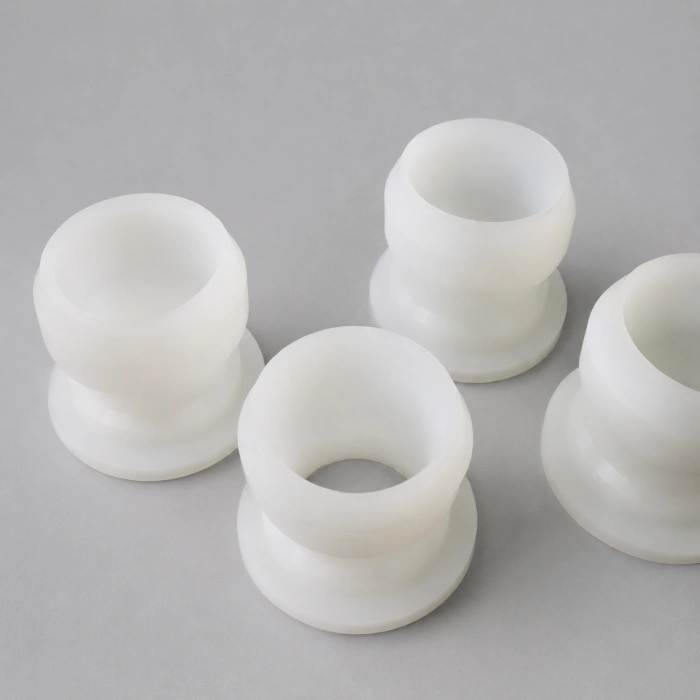
CNC machined nylon bushing
Precision CNC machined POM part
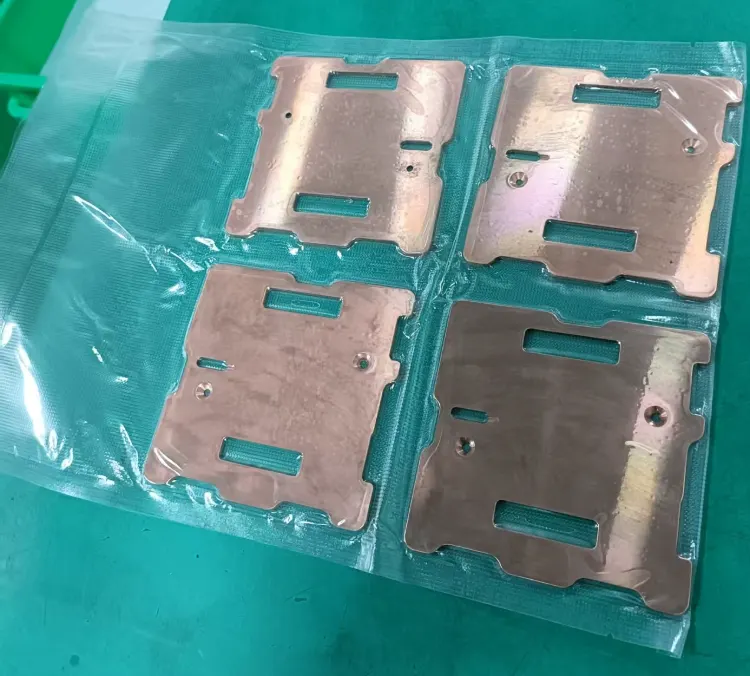
CNC machined copper alloy component
CNC machined FR4 part
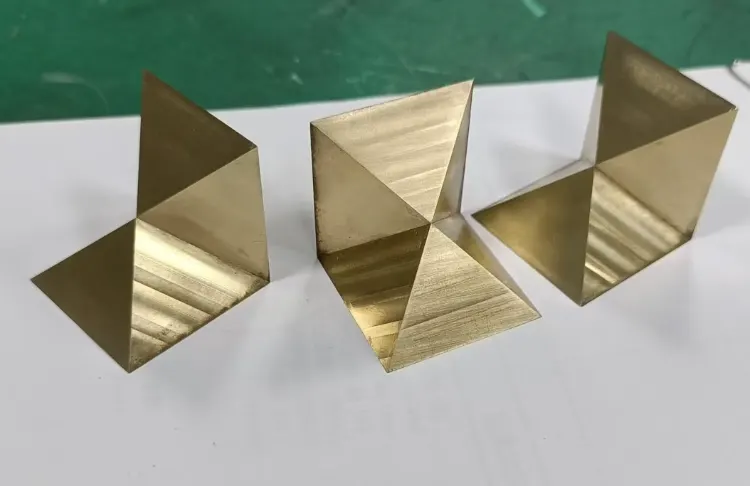
CNC machined brass part
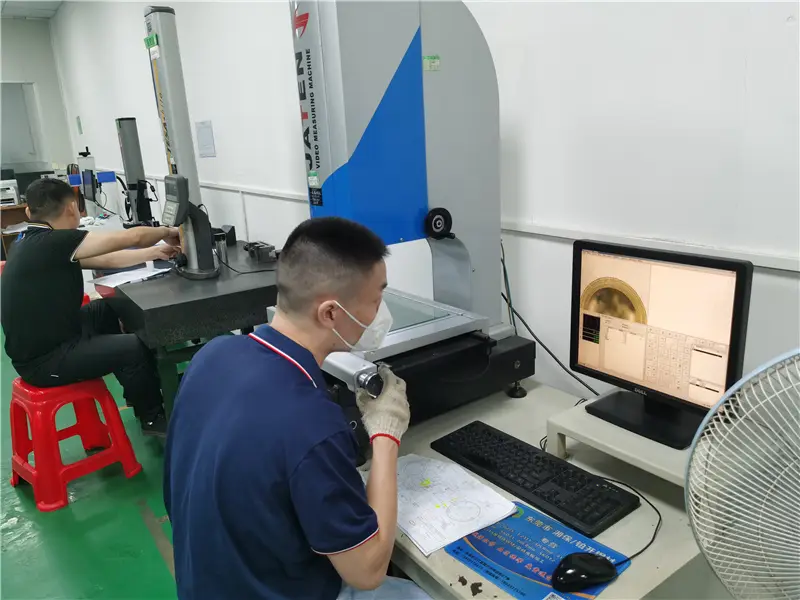
QUALITY CONTROL

Inspection for Precision CNC Parts

Dimensional and material inspections are performed throughout production to verify drawing requirements.
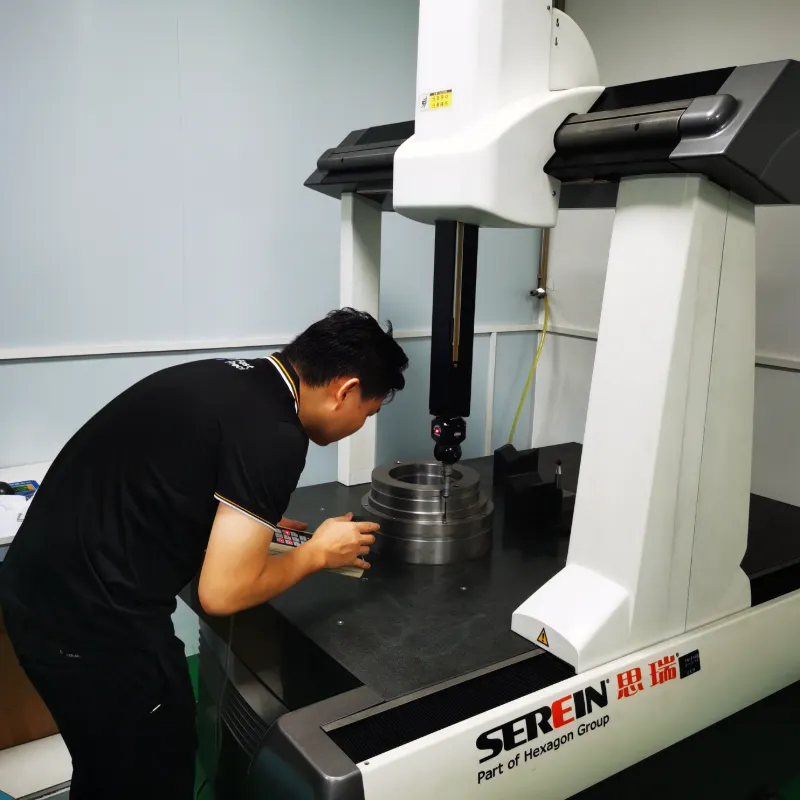
20+Inspection instruments
30+Quality inspectors
ISO9001:2015 certified
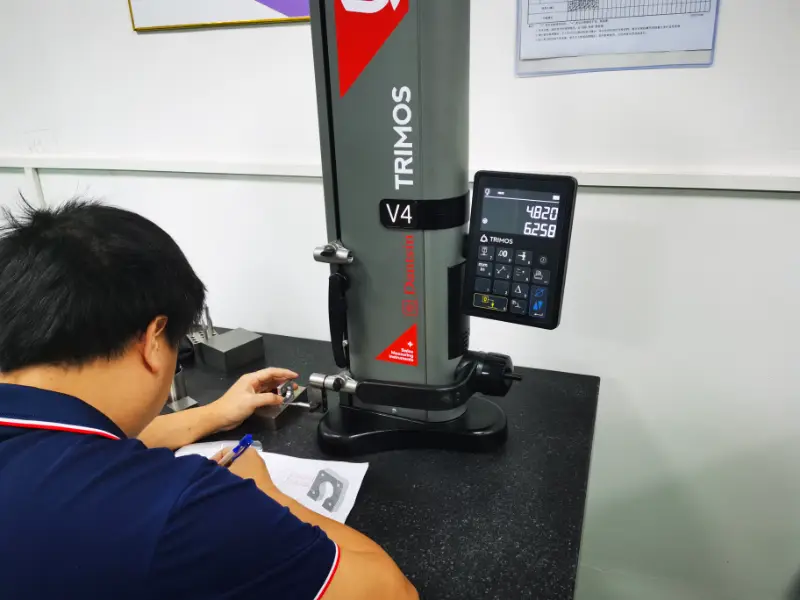
Height gauge inspection of a CNC machined part
Height Gauge
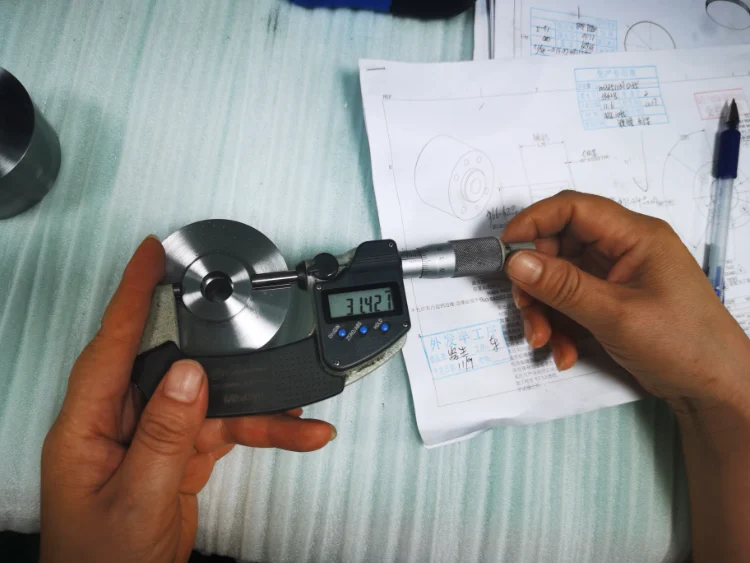
Micrometer measurement of a precision CNC machined part
Micrometer
Hardness testing of a CNC machined metal part
Hardness Testing
Precision inspection equipment checking a CNC machined part
Altimeter measurement
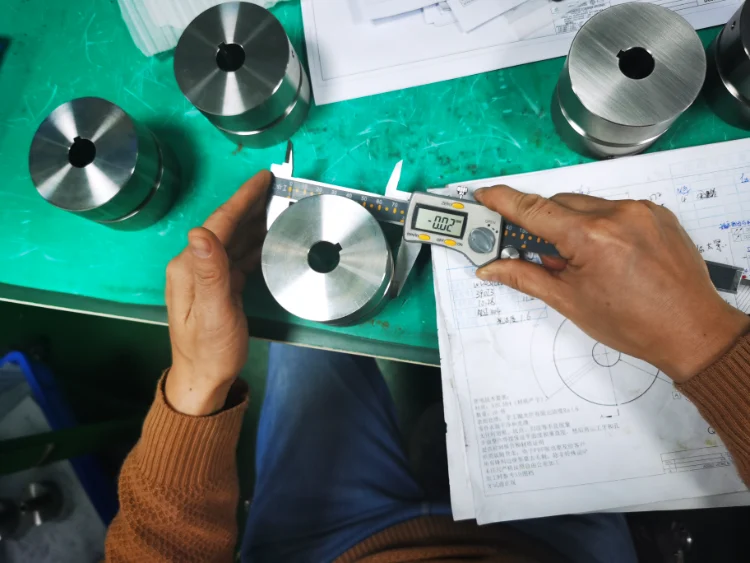
Quality inspector measuring a precision CNC machined part
Caliper measurement
WHY WELDO

Why You Can Trust Weldo Machining

Engineering review, documented quality control, and scalable production support help reduce sourcing risk.

01

ISO 9001 Quality System

Documented inspection procedures support consistent production quality.

02

Manufacturing Since 2012

Precision metal and plastic parts for international customers.

03

Engineering & DFM Review

Materials, tolerances, and critical features are reviewed before production.

04

Prototype-to-Production Support

Machining and inspection plans adapt from prototypes to repeat orders.

CNC Machining FAQ

Plan Your CNC Machining Project

How does CNC machining work?

A CAD model is converted into controlled toolpaths. The CNC machine then removes material by milling, turning, drilling or related operations before the part is finished and inspected against the drawing.

What skills are needed for CNC machining?

Core skills include drawing and GD&T interpretation, CAM programming, workholding, tool and cutting-parameter selection, material knowledge, dimensional inspection and process troubleshooting.

What affects CNC machining cost and lead time?

Material, stock size, geometry, setup count, tolerance, surface finish, quantity, inspection, heat treatment and secondary operations all affect price and schedule. Standard materials and simpler setups usually reduce both.

How should a part be designed for easier CNC machining?

Use practical internal radii, avoid unnecessarily deep narrow pockets, select standard hole sizes and apply tight tolerances only to functional features. These choices reduce setups, tool reach and inspection time.

When is CNC machining preferable to 3D printing?

Choose CNC machining when the part needs production-grade material, tighter tolerances, controlled surfaces or repeatable low-volume production. Use 3D printing when rapid geometry validation is the main priority.